

Non-Fiction
A Walk in the Park
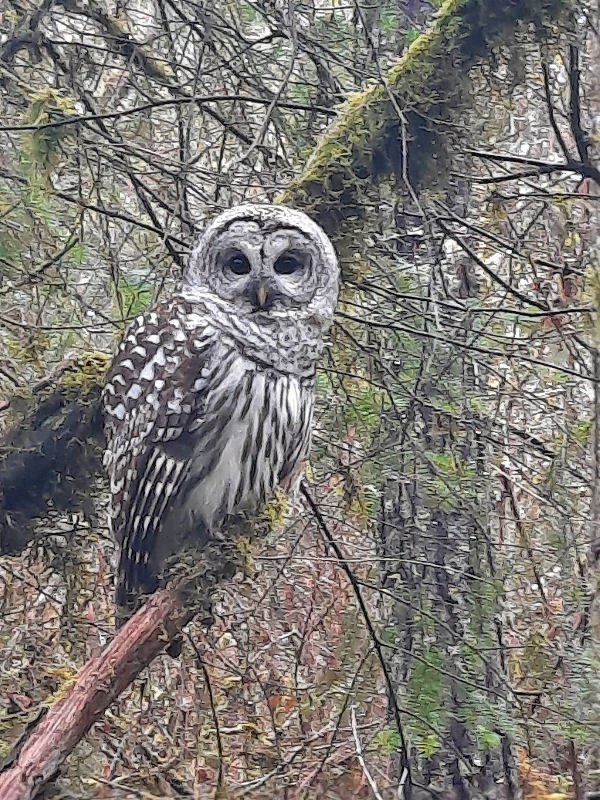
Our daily walk along the trails of the Tualatin Hills Nature Park three miles from our home is, like my morning cup of coffee, an essential part of my day. It’s a beautifully laid out and lovingly maintained natural area of more than 200 acres, and even though it’s a popular place, it can feel like our private realm as we wend our way along the trails. We take our walk at about the same time every day and run into people who have established a similar routine. Most are nodding acquaintances, but we’ve met dozens of people whom we now know by name, and have learned a little about them and their lives. It’s always nice to bump into these park friends and stop and chat for a while.
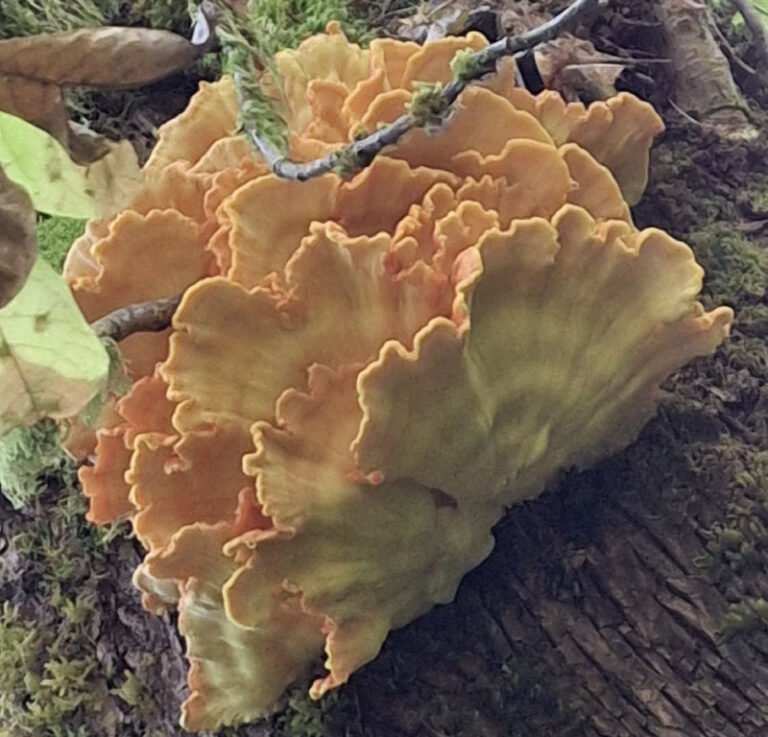
It’s a treat to come across deer, an owl, or a beautiful mushroom like the chicken of the woods above, but even when we see nothing special, spending time in the natural world is soothing and healing. We fill our lungs with the fragrant air and listen to the chirping of birds, croaking of frogs, and chattering of chipmunks. We smile when squirrels follow us and beg for a handout (feeding the wildlife is against park rules), and startle when a garter snake slithers around our feet. When animals are scarce, we pay more attention to the plants, fungi and lichen that surround us, and appreciate the architecture of the trees and texture and patterns of their bark. We stand dizzy staring up at enormous Douglas firs that rise perfectly straight into the heavens. The trails change from dusty and dry in the summer to muddy and puddled in the winter, but every season has its own wonders.
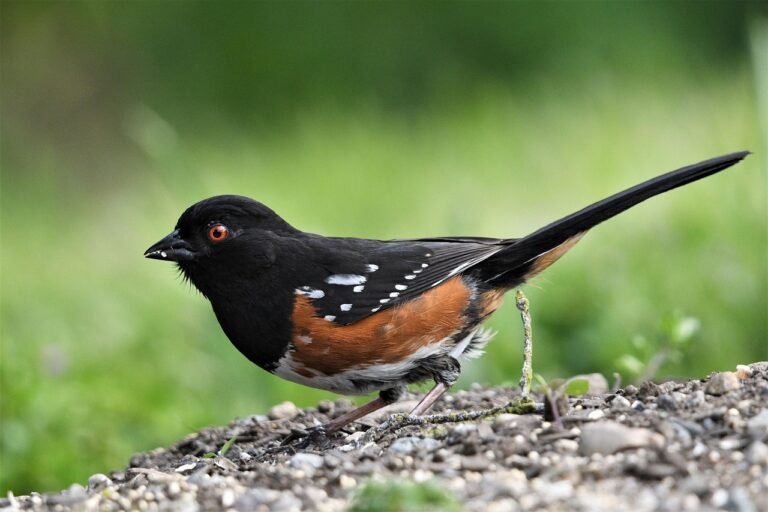
Trying to identify and learn more about the plant and animal life before us is a regular part of our walks, and to that end we employ several helpful tools. Merlin Bird ID is a popular free phone app that identifies birds when you snap a picture of them with your phone. Even better, because birds are more often heard than seen, the app lets you identify birds by their songs and chirps, and keeps track of past recordings so you can revisit them. With Merlin’s help, I can recognize the cheerful song of a spotted towhee, as well as its querulous complaint, and whirring trill, which reminds me of the sound made by whistle rings that used to be found at the bottom of cereal boxes.
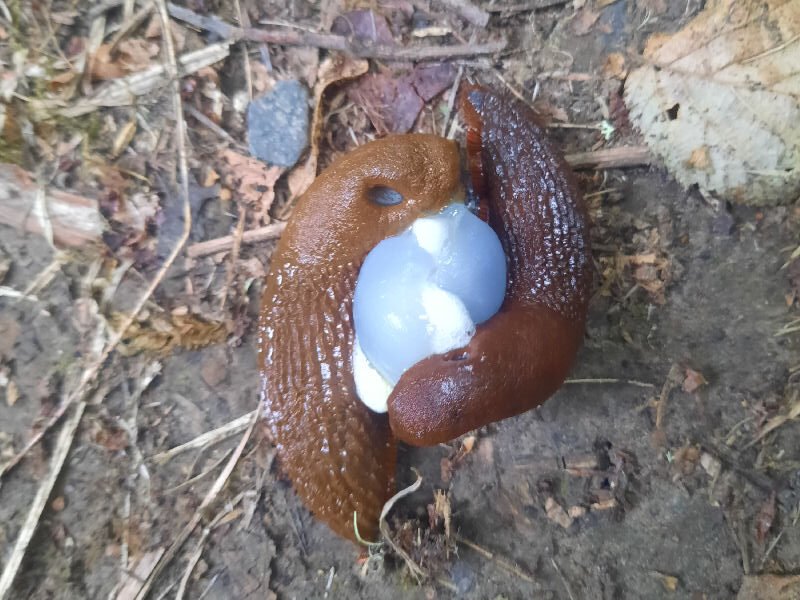
For animals, insects, plants and fungi, I use iNaturalist, another free phone app, which does a great job of identifying what you’ve taken a picture of. I’ve found iNaturalist to be more accurate than other apps I’ve used, and it can recognize a broad range of lifeforms (not just plants or animals). It’s easy to use and there are no advertisements. What I especially like is its citizen-scientist orientation. It not only identifies what you see, but adds it to its database, increasing knowledge about ecosystems. The Spanish slugs (Arion vulgaris) above, which iNaturalist identified, are doing what they appear to be doing, but the story is more interesting than I realized, as I learned from Project Noah, which tells us:
Like all slugs, those in the genus Arion are hermaphrodites (possessing both male and female sex organs). They can reproduce either by self- or cross-fertilization, depending upon conditions and habitat stability. When two slugs mate with each other, they each simultaneously play the role of both sexes, exchanging sperm with their male genitalia. At times, the male sex organs of two slugs become entangled during mating and the slugs may bite them off in order to free themselves, a not uncommon sacrifice known as ‘apophallation.’ From then onward, the apophallated slugs are only able to reproduce as females.
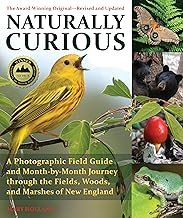
My favorite nature book, Naturally Curious by Mary Holland, does so much more than the typical nature guidebook that focuses on identification of plants and animals and may present little tidbits of information. With almost 500 pages of information and beautiful photos, it’s a gorgeous and engagingly written book that presents a fuller picture of the plants and animals it discusses. It tells you how they grow and reproduce and survive the winter. My only complaint about the book, which isn’t the fault of the book itself, is that it focuses on New England ecology rather than that of the Pacific Northwest where I live. Still, it’s very useful and a delight to page through.
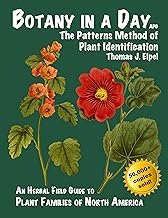
Another book I’ve found very useful is Thomas J. Elpel’s Botany in a Day, which uses a pattern-based method for plant identification. It’s packed with wonderful illustrations and is especially helpful in recognizing not only individual plants but which plants are related to one another.
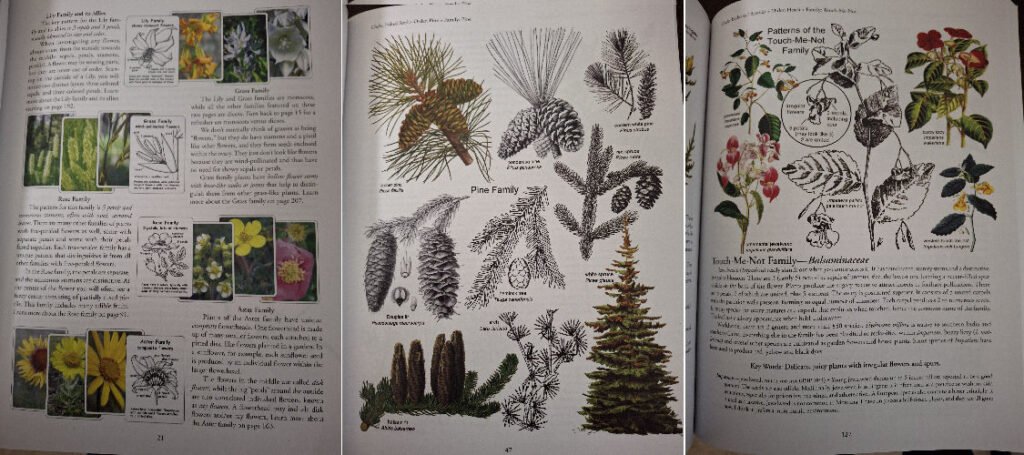
I hope these resources will make your future walks more enjoyable. Happy trails!
May, 2026