

Non-Fiction
Barnga
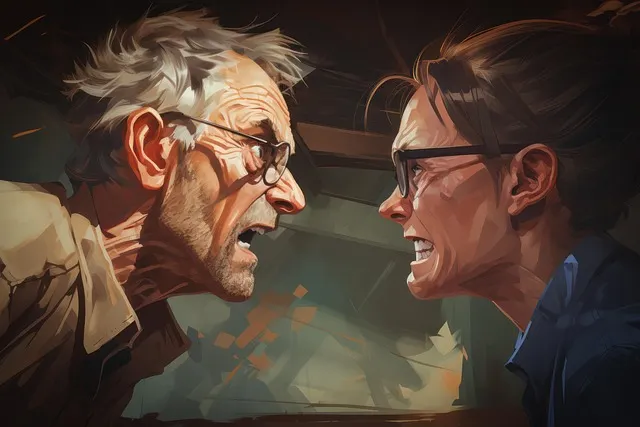
Frustration and conflict are inevitable when people from different cultures, raised on different customs and belief systems, and speaking different languages come into contact with one another. Barnga is a simulation game used in cross-cultural training to help people anticipate and cope with culture-induced stress. The name comes from Gbarnga, a city in Liberia in West Africa, where it was created by a USAID worker (remember them?) living there, who had some free time on his hands while his team was confined to the compound during a military coup in 1980. When I arrived in that city as a Peace Corps volunteer about a year later for in-country training, I didn’t know about the game (but had participated in an elaborate and excellent cultural simulation called BaFa BaFa during state-side training), or suspect that after my PC stint, I would spend the next 30 years teaching English as a second language, a component of which was raising students’ cross-cultural awareness, for which I developed some of my own simple activities.
Barnga is an ingeniously simple tool for simulating the kind of stress we may experience when interacting with people who sometimes think and act in ways that don’t match the norms we are are grounded in. This is how it works. Trainees are divided into small groups and given written instructions (taken away as soon as they are read and understood) for a simple card game. During play, participants may use gestures and draw pictures, but are not allowed to use spoken or written language.
After playing a round, the player with the highest score joins the group to the left, the one with the lowest score joins the group on the right, and the others remain at the table. Play resumes with the reconfigured groups for the next round, and the same movement takes place for the round after that. What the trainees don’t know is that each group was given a slightly different set of directions, and trouble erupts as players unknowingly play by different rules. As play continues, the groups become more mixed and confusion and impatience increases. Various individuals and groups deal with the situation differently, some finding ways to accommodate, others becoming hostile. In the post-game debriefing session, participants describe their reactions and emotions during the play, and in so doing learn about themselves and share insights and strategies for dealing with cultural misunderstandings.
It’s hard not to recognize, in the divided country in which we now live, a gulf in understanding and communicating as wide as that which exists between people from diverse cultures. We expect a cultural chasm between ourselves and people raised in distant lands with vastly different experiences and values, but not between fellow citizens, neighbors, friends, and family members who have so much in common. Yet, that is our current condition. There are many factors that contribute to this situation. Technological innovations have certainly reduced our shared experiences which once made us a more cohesive society. Before the proliferation of media options, by and large, we were exposed to the same music, saw the same movies and TV shows, read the same newspapers and magazines, and got our news from the same sources. These days, because of the availability of so many choices, which we all appreciate on a personal level, we have less in common with each other.
It isn’t necessarily the aim of technology to weaken the social fabric that knits us together—it’s collateral damage. The damage done by political and economic interests that benefit from reduced social cohesiveness, on the other hand, is very intentional, so much so that the perpetrators acknowledge they are waging a culture war. Our current crisis is due largely to the dissemination of false narratives to incite antagonism. The deceptive information functions like the differing instructions distributed in the game Barnga, causing participants to play by different rules.
This analogy helps me when I’m confronted by incomprehensible behavior—for instance, when crowds cheer in delight on viewing videos of people being snatched off the street, handled in the roughest way, and hauled off to who-knows-where, a sight as appalling to me as any I can imagine. My instinct is to think that only a monster could react that way, but remembering Barnga and the fierce clashes cultural differences can cause, I relent a little. Surely, I think, if they were their brothers, or sons, or fathers who were treated that way, they would be crying, not cheering. They aren’t monsters, I realize, but people whose “culture” informs them that the strangers being mistreated are not people like themselves, but (perhaps because of the color of their skin), creatures that are less than human. These people whose behavior is so repugnant to me are not intrinsically different from me, but are steeped in a different culture. It’s a step in the right direction to think of these people not as evil, but as regular people adhering to different cultural norms. I wish we could all sit down to an enlightening game of Barnga to ease some of the cultural differences that separate us, but alas, that cannot be, for at the heart of their culture is a steadfast unwillingness to accept other cultures.
June, 2025